

Ruislip Lido rubbish removal guide for bulky waste
Posted on 13/08/2026
If you are trying to clear a sofa, mattress, old shelving, or a pile of awkward household items near the lake, this Ruislip Lido rubbish removal guide for bulky waste will help you do it without the usual stress. Bulky waste sounds simple enough until you are standing there with a heavy wardrobe, a scratched dining table, and no idea what can be moved, what needs separating, and what the most sensible disposal route actually is. Been there, honestly.
This guide breaks everything down in plain English: what bulky waste means, how local rubbish removal usually works, when collection makes sense, what to avoid, and how to plan a tidy, efficient clear-out around Ruislip Lido and the surrounding streets. It also covers practical considerations like access, sorting, recycling, and choosing the right service for the job. If you want the shorter version, the core idea is simple: prepare the load properly, use the right disposal route, and avoid turning one bulky item into a full-day headache.

Why Ruislip Lido rubbish removal guide for bulky waste Matters
Bulky waste is the kind of rubbish that rarely fits neatly into a normal bin bag or a quick roadside tidy-up. It tends to be heavy, awkward, dusty, and inconvenient. Around Ruislip Lido, that matters because many clear-outs happen in lived-in homes, rented flats, garages, gardens, or properties being prepared for sale or refurbishment. And bulky items have a way of appearing all at once. One minute it is "just a chair". Next thing you know, there are three chairs, a broken chest of drawers, and a mattress leaning against the wall like it pays rent.
Getting it right matters for three reasons. First, safety: lifting heavy items badly is a fast route to an injury or a damaged hallway. Second, compliance: some waste streams need to be handled properly rather than dumped at random. Third, efficiency: the best bulky waste removal plan saves time, money, and a lot of friction. If you are already in the middle of a larger project such as a house move, an estate sale, or a loft tidy-up, it can be worth reading alongside house clearance in Ruislip and loft clearance support for a broader view of what can be bundled together.
There is also a local lifestyle angle here. Ruislip Lido attracts families, walkers, and people doing weekend jobs in between school runs and Sunday plans. So a removal approach that is tidy, predictable, and quick to book is usually more useful than a complicated DIY chain of events. Frankly, nobody wants bulky rubbish hanging around for a fortnight because the plan was "I'll sort it later". Later has a funny way of never arriving.
How Ruislip Lido rubbish removal guide for bulky waste Works
The process is usually straightforward once you know the moving parts. In most cases, bulky waste removal begins with a list or a rough visual estimate of what needs to go. That might include furniture, white goods, mixed household items, garden furniture, or renovation leftovers that are too large for normal refuse collection. From there, you decide whether items need dismantling, whether anything can be recycled or reused, and how much labour is involved in carrying it out.
For a typical collection, the sequence looks something like this: identify the items, clear access, confirm what is and is not included, agree a collection window, and then have everything ready so the team can remove it efficiently. That last part sounds obvious, but it saves real time. A pathway blocked by bikes, plant pots, bags of oddments, and one mysterious box of cables slows everything down. It also increases the chance of something getting knocked or scratched. Not ideal.
If the waste is mixed, the separation step matters. Furniture can often be handled differently from general rubbish, and certain items may need special care. For example, a damaged sofa is not the same as a pile of broken flat-pack boards, and a garden shed panel is not the same as a bag of soil. In a mixed clear-out, services such as furniture disposal in Ruislip, garden waste removal, or builders waste disposal in Ruislip may be relevant depending on what you have on site.
One practical point worth stressing: bulky waste removal is not just about weight. It is also about shape, access, and handling risk. A lightweight but oversized wardrobe can be more awkward than a smaller, denser item. Stairs, tight turns, low ceilings, and narrow front doors change the whole job. So does weather, especially if items need moving from a garden or outside storage area on a wet day. A bit of planning really does save the day here.
Key Benefits and Practical Advantages
The most obvious benefit is convenience, but there are several others that are easy to overlook until you need them. The right bulky waste removal approach helps you keep the property usable, reduces trip hazards, and stops large items from lingering in hallways or driveways. That makes a noticeable difference if you are welcoming buyers, tenants, tradespeople, or family visitors.
- Less lifting risk: you avoid improvising with heavy items and awkward corners.
- Faster turnaround: one collection can clear a room that would otherwise take several trips.
- Better presentation: a clear space looks calmer and more ready for use or sale.
- Cleaner sorting: recyclable and reusable items can be separated more sensibly.
- Lower stress: no need to borrow a van, hunt for help, or guess disposal rules.
There is also a quieter benefit: decision relief. Once bulky waste is removed, the whole job often feels smaller. The room is no longer full of "things to deal with"; it is simply a room again. That psychological shift matters more than people expect. It is why many households pair a one-off clear-out with broader services like waste clearance in Ruislip or even house clearance when the scale starts to grow.
For some jobs, a professional collection can also be more economical than it first appears. If you add up van hire, fuel, parking, lifting help, disposal time, and the possibility of multiple journeys, the picture changes quickly. That does not mean every job needs a service, of course, but it is worth looking at the full cost rather than the obvious one.
Who This Is For and When It Makes Sense
This guide is useful for homeowners, tenants, landlords, estate agents, letting teams, office managers, and anyone who has looked at a bulky item and thought, "Right then... now what?" It is especially relevant if you are preparing a property for sale, dealing with an inherited home, refreshing a rental, or simply reclaiming a spare room that has quietly become storage.
You may also need this if you are handling a mixed load after decorating, garden work, or a partial move. For example, a lounge refresh might leave you with an old sofa, a coffee table, packing materials, and a couple of busted shelves. That is not really one job and it is not really four separate jobs either. It sits in that middle ground where a structured waste collection plan makes sense.
Bulky waste removal also makes sense when access is tricky. Think of top-floor flats, narrow terraces, shared entrances, or properties near busier local routes where parking and loading need a bit of thought. In those situations, the value is not just removal; it is coordination. If you are already weighing options, the broader services overview can help you compare what kind of support fits your situation.
And if your situation is a bit more unusual, that is fine too. Some jobs are mostly furniture. Some are mostly garage clutter. Some start with a mattress and somehow end with a full loft clear-out. Life is messy like that.
Step-by-Step Guidance
If you want a sensible way to approach bulky waste removal around Ruislip Lido, use this sequence. It keeps the job manageable and reduces the chances of last-minute surprises.
- Make a complete item list. Walk the space and note every bulky item you want removed. Include anything hidden behind doors, under stairs, or in sheds.
- Group items by type. Separate furniture, garden items, builder-type waste, and mixed rubbish if possible. This makes quoting and handling easier.
- Check access. Measure doorways, stairwells, gates, and parking restrictions if they affect collection. A quick check now can save a lot of hassle later.
- Identify anything sensitive. Personal documents, medication, reusable electronics, or valuables should be removed before collection day.
- Decide what can be dismantled. Flat-pack items, bed frames, and some wardrobes are easier to move in pieces. Just keep the screws and fittings together if you can.
- Separate special items. Some objects may need special handling or should be flagged in advance. If in doubt, ask before collection rather than on the doorstep.
- Arrange the collection window. Choose a time when someone can answer questions and confirm access. Simple, but very useful.
- Stage the load. Put items in one place if it is safe to do so, but do not block exits or create hazards.
If you are unsure whether an item belongs with general bulky waste or a more specific stream, think in practical categories. Old furniture? Likely furniture disposal. Cut branches and hedge trimmings? Garden waste. Rubble or broken plasterboard? Builders waste. A quick classification up front keeps the rest of the process cleaner and smoother.
There is also a hidden time-saver here: try to sort before you are tired. Late afternoon clear-outs can make people overly optimistic about what they can carry, and that is when mistakes happen. Better to do the decisions in daylight, with a cup of tea nearby. Truth be told, tea solves more disposal problems than it should.
Expert Tips for Better Results
Here are the small things that make a bulky waste job go well rather than merely go ahead. These are the details people often miss the first time.
- Measure before moving. A wardrobe that fits in the room may not fit around the stair bend. It happens more often than people think.
- Keep pathways clear. Shoes, mats, recycling tubs, and pet items are all easy to forget.
- Bundle loose bits. Shelf brackets, bed slats, and metal fixings are much easier to handle when gathered together.
- Label what stays. In a busy clear-out, a simple "keep" note prevents accidental removal. Slightly old-fashioned, but effective.
- Take photos if needed. Photos help when you are comparing options or explaining an awkward load.
- Ask about recycling in advance. Responsible sorting matters, particularly when items contain mixed materials.
One useful habit is to create a small "decision zone" near the door or garage. Put everything you are unsure about there and review it once more before collection. It stops you from making rushed calls in the middle of moving everything else. A little boring, maybe. Very effective, definitely.
Also, if your clear-out overlaps with a bigger project, it can help to think in stages. A first visit for the bulky items, then a separate pass for general waste, then a final tidy. This is especially handy in estate situations or when preparing a home for market. Related planning resources like estate sales in Ruislip and Ruislip real estate insights can be useful context if the property is being cleared for sale or letting.
Common Mistakes to Avoid
Most bulky waste problems are avoidable. The trouble is, they are also very easy to repeat if you are rushing. Here are the big ones.
- Mixing everything together blindly. This makes sorting slower and can complicate disposal.
- Leaving access checks until collection day. A narrow gate, parked car, or locked side passage can delay the whole job.
- Forgetting about weight. Small items can still be heavy. Wet garden waste especially can surprise you.
- Assuming all furniture is the same. Upholstered furniture, wooden items, and metal frames can be handled differently.
- Starting without a plan for extras. Most clear-outs uncover a few more items. They just do.
- Leaving valuables or documents in the pile. It sounds unlikely, until it happens.
The other common mistake is trying to do everything in one frantic sweep. That tends to create tiredness, and tiredness creates bad lifting, bad sorting, and bad decisions. Better to pause, review, and move with intention. It sounds obvious; still, people forget it all the time.
Tools, Resources and Recommendations
You do not need a van full of gear to manage bulky waste well, but a few simple tools help enormously. A tape measure, gloves, sturdy shoes, a marker pen, and some strong sacks or boxes for loose fittings can make the process safer and neater. A phone camera is also useful for taking inventory, especially if you are comparing quotes or checking what needs to be separated.
For larger or mixed jobs, it is sensible to think beyond the items themselves and look at the service you are using. Clear pricing information, safety standards, and payment clarity all matter. If you want a better sense of how a reputable provider frames these things, pages such as pricing and quotes, insurance and safety, and payment and security can help set expectations.
It is also worth checking broader sustainability guidance. Not every bulky item should be treated the same way, and recycling-friendly sorting can reduce waste sent to disposal unnecessarily. The recycling and sustainability approach on the site is a useful reminder that good removal is not just about speed. It is about doing the job properly.
When you are comparing support options, think in terms of fit rather than just price. A cheaper route that leaves you doing three extra rounds of lifting may not be cheaper at all. Meanwhile, a slightly more organised service can be worth it simply because it removes friction. That is not a luxury. That is sanity.
Law, Compliance, Standards, or Best Practice
Bulky waste removal in the UK should be handled carefully and responsibly. In practical terms, that means using a legitimate waste carrier, keeping clear records where needed, and ensuring waste is passed to an appropriate facility rather than dumped. You do not need to memorise legislation to make good decisions, but you should expect a professional service to operate transparently and responsibly.
Best practice usually includes clear item descriptions, honest communication about access, sensible separation of recyclables, and proper handling of anything that may need special treatment. If you are disposing of items with electrical components, damaged upholstery, or construction residue, flag that early. It is much easier to sort before collection than to untangle it after the fact.
For landlords, agents, and businesses, keeping the process tidy is especially important. A clear audit trail, accurate description of the waste, and careful scheduling all help reduce avoidable problems. If your needs extend beyond a one-off household collection, then services such as office clearance may be more appropriate than a general skip-style solution.
One more thing: if a service sounds vague about what happens to the waste, ask questions. Clear, plain answers are a good sign. Evasive answers are not. Pretty simple, really.
Options, Methods, or Comparison Table
There is more than one way to deal with bulky waste, and the best choice depends on time, access, quantity, and how much effort you want to spend yourself. Here is a simple comparison.
| Method | Best for | Pros | Trade-offs |
|---|---|---|---|
| DIY disposal | Small loads, easy access, flexible timing | Full control, can be cheaper for very small jobs | Time-consuming, lifting risk, van and disposal logistics |
| Professional bulky waste collection | Mixed items, limited access, urgent clear-outs | Fast, convenient, less physical effort | Costs more than doing everything yourself |
| Combined clearance service | Multiple rooms, estate clearances, larger property jobs | Efficient for bigger projects, fewer moving parts | Can be more than you need for one or two items |
| Specialist item disposal | Single-category loads such as furniture or garden waste | Clear sorting, better matching to the waste type | May need separate handling if the load is mixed |
As a rule of thumb, if you have one straightforward item and easy access, DIY can make sense. If you have several bulky items, stairs, tight parking, or a deadline, professional collection usually wins on practicality. There is no hero award for carrying a heavy sofa down three flights of stairs on your own. Let's leave that to the films.
Case Study or Real-World Example
A typical Ruislip Lido-area job might look like this: a family has finished a bedroom refresh and needs an old bed frame, two mattresses, a wardrobe, a broken chest of drawers, and a few bags of mixed clutter removed before the weekend. The hallway is narrow, parking is limited, and the front room is already packed with new furniture waiting to go in. Nothing dramatic, but plenty to coordinate.
In that kind of situation, the best first move is to separate the items by type and decide what can be dismantled. The bed frame is often easier in pieces. The wardrobe may need doors removed first. The mattresses stay intact, but they should be staged so they do not block the entrance. Any loose screws, brackets, or shelf fittings get bagged together. Simple. Not effortless, but simple.
The family then confirms access, clears the entry route, and schedules a collection time when someone is present. The result is a quicker removal, less lifting stress, and no awkward moment where a bulky item gets stuck halfway down the stairs. The whole flat feels calmer afterwards, which is always a pleasant surprise. You can almost hear the room breathe again.
That same approach scales up nicely for larger jobs too. Whether it is post-tenancy clutter, an inherited property, or a bigger clear-out linked to house clearance in Ruislip, the principle stays the same: sort first, move safely, and keep the process clear.
Practical Checklist
Use this checklist before your bulky waste collection. It is basic, but it works.
- List every bulky item you want removed.
- Separate furniture, garden waste, builders waste, and general rubbish where possible.
- Measure doors, stairs, gates, and any tight corners.
- Clear the route from the items to the exit.
- Remove valuables, documents, and personal items.
- Check whether anything can be dismantled safely.
- Bag up screws, fixings, and loose parts.
- Confirm the collection time and access arrangements.
- Keep children and pets away from the working area.
- Ask how recyclable or reusable items will be handled.
If you are dealing with a bigger-than-expected pile, a focused clear-out can be easier to manage through a broader rubbish collection service rather than trying to cobble together separate trips yourself. In the same way, garden-heavy loads may be better suited to a specific garden waste route, especially if the pile includes cuttings, branches, or old outdoor items.
Get a free quote today and see how much you can save.
Conclusion
Bulky waste removal around Ruislip Lido does not have to be complicated. Once you know what you are dealing with, the job becomes a series of sensible steps: sort, plan, clear access, and choose the right method for the load. That is the whole game, really. Most of the stress comes from the uncertainty, not the items themselves.
If you remember only one thing from this guide, make it this: a small amount of preparation saves a surprising amount of effort. Measure first, sort early, and think about the whole job rather than just the biggest object in the room. A bit of organisation now means less scrambling later, and that is a win on any day of the week.
And when the last item is gone and the space feels open again, you will probably notice the quiet before anything else. That little change in atmosphere is often the best part.
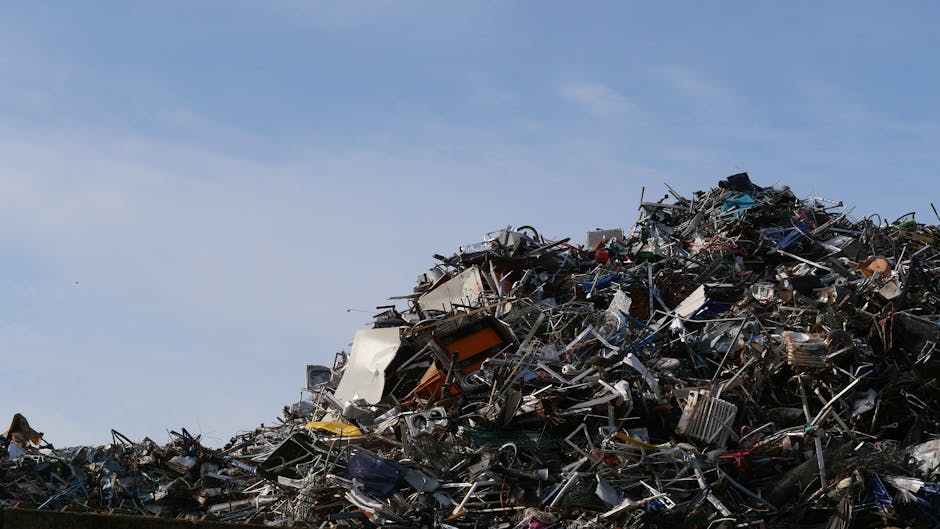
 Tipper Van - Waste Clearance and Home Waste Collection Prices in Ruislip, HA4
 Luton Van - Waste Clearance and Home Waste Collection Prices in Ruislip, HA4

